A small operation with a short supply chain
Shudh means pure — शुद्ध. It is a high bar to name yourself after, so we keep the story simple enough to check: one forest, one season, one collector community, one jar.
Good honey, no reliable buyer
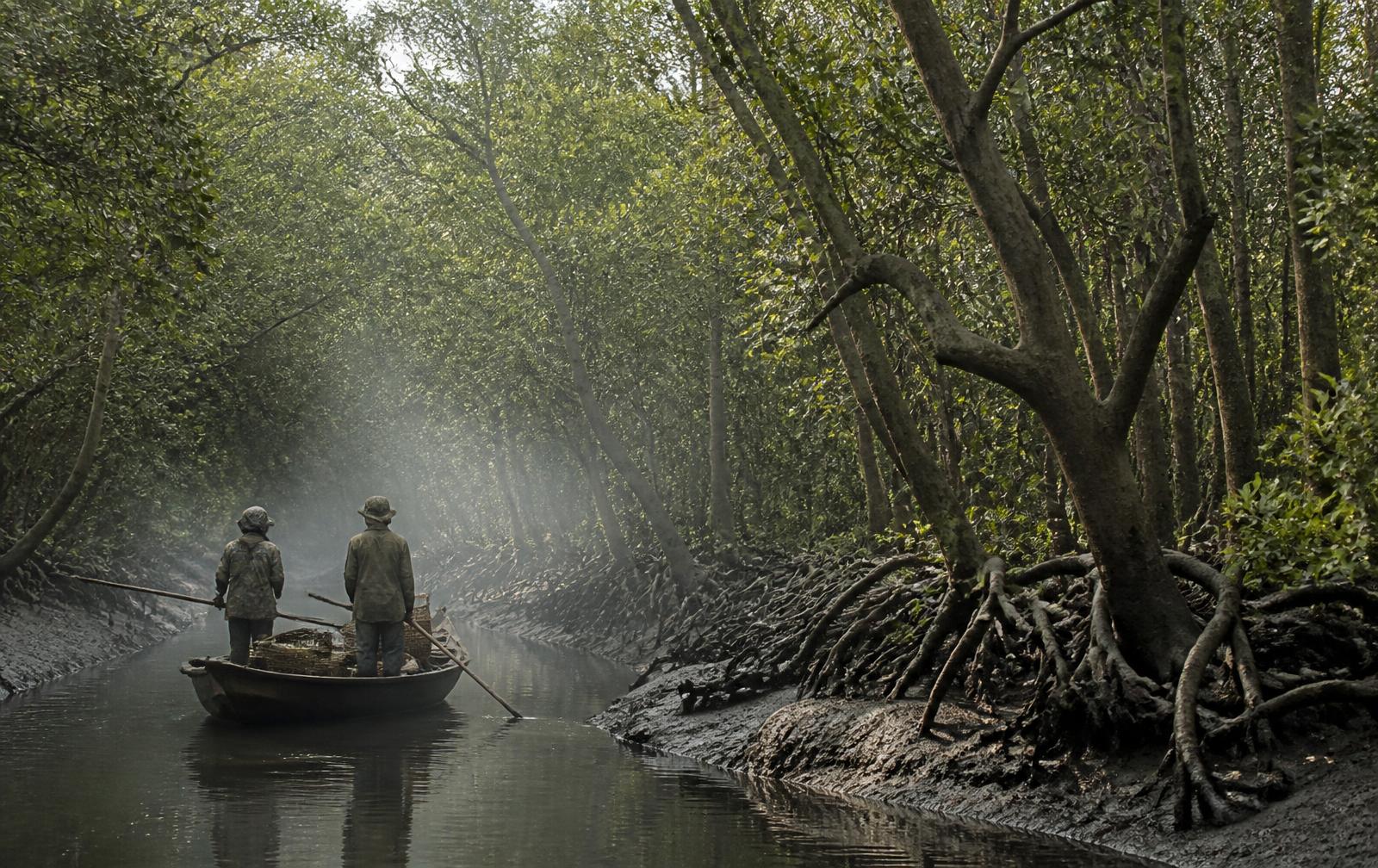
In the Sundarbans, wild honey collection is old work and hard work. Families go into the mangroves in the harvest season, read the forest, find the comb, and carry it out — with real risk attached. For most of them, the sale at the end was the weakest part of the chain: irregular buyers, opaque pricing, and no way to reach anyone who would pay what the honey was worth.
Shudh was built around that one problem. We do not run apiaries and we do not blend imported honey. We buy from the collectors at a price agreed before the season, handle the parts they never had access to — testing, packaging, labelling, logistics, selling — and return a substantial share of each sale to them.
Why now
Adulterated honey is a genuine problem in Indian retail: syrup blends that pass basic tests, "raw" labels on heated honey, and no traceability behind either. At the same time, more people are trying to move off refined sugar and want something real to replace it with. A transparent, single-origin jar answers both — but only if the brand selling it is willing to be specific.
So we are specific. Ask us on WhatsApp which forest your jar came from, which season, and what the lab said. We will tell you.
In numbers
- 40–50%
- of proceeds returned to collector families
- 1
- forest and season per batch — never blended
- 0
- additives, syrups or preservatives
Forest to jar, in four steps
- Step 1
Hand-collected
Collector families travel by boat into the mangrove creeks in the harvest months and cut wild comb by hand, leaving enough for the colony to rebuild.
- Step 2
Quality-checked
Every lot is checked at collection for moisture and clarity, then lab-tested for sugar profile and added-syrup markers before we accept it.
- Step 3
Raw-packed
Strained through mesh to remove wax and debris — nothing more. No heating, no pasteurising, no ultrafiltration, no blending across batches.
- Step 4
Shipped
Filled into glass, labelled with the batch and season, and dispatched from Kolkata. Orders are confirmed and tracked over WhatsApp.
The people this honey belongs to
The honey in our jars is gathered by tribal and forest-dependent families living on the islands of the Sundarbans delta. They hold forest permits for the harvest season, work in small teams, and rely on knowledge that is not written down anywhere: which blossom is running, how a colony behaves before a storm, which creeks to avoid.
They are not a story we bolted onto a product. They are the reason the product exists, and they are the only reason it is any good. Our job is narrower than theirs: pay promptly, don't heat the honey, don't exaggerate on the label.
We do not publish photographs or names of collectors without their consent, and we do not trade on hardship imagery. If you want to understand the sourcing in more detail, the impact page lays out exactly how the money moves.
To bring genuinely raw, traceable forest honey to Indian kitchens — harvested in a way the mangroves can sustain, and priced so the families who collect it are paid properly for it.
Talk to us on WhatsApp